What to Check Before Renting a Storage Unit: A UK Checklist
What should you check before renting a storage unit?
Before renting a storage unit, check six things: the right size for your belongings, the full price (including any deposit, padlock or insurance), the contract terms (minimum period and notice), access hours and how you reach your unit, the site’s security, and whether the units are clean and dry. Getting these right up front avoids paying for the wrong size, being tied in too long, or facing unexpected costs.
A storage unit is easy to book, but a few quick checks make the difference between a smooth experience and an expensive mistake. This checklist covers what to confirm before you sign, with the questions worth asking. SCA Self Storage operates across Doncaster, Pontefract, Ripon, Rotherham, Sheffield and Sunderland, and the points below apply whichever provider you choose.
1. Is the unit the right size?
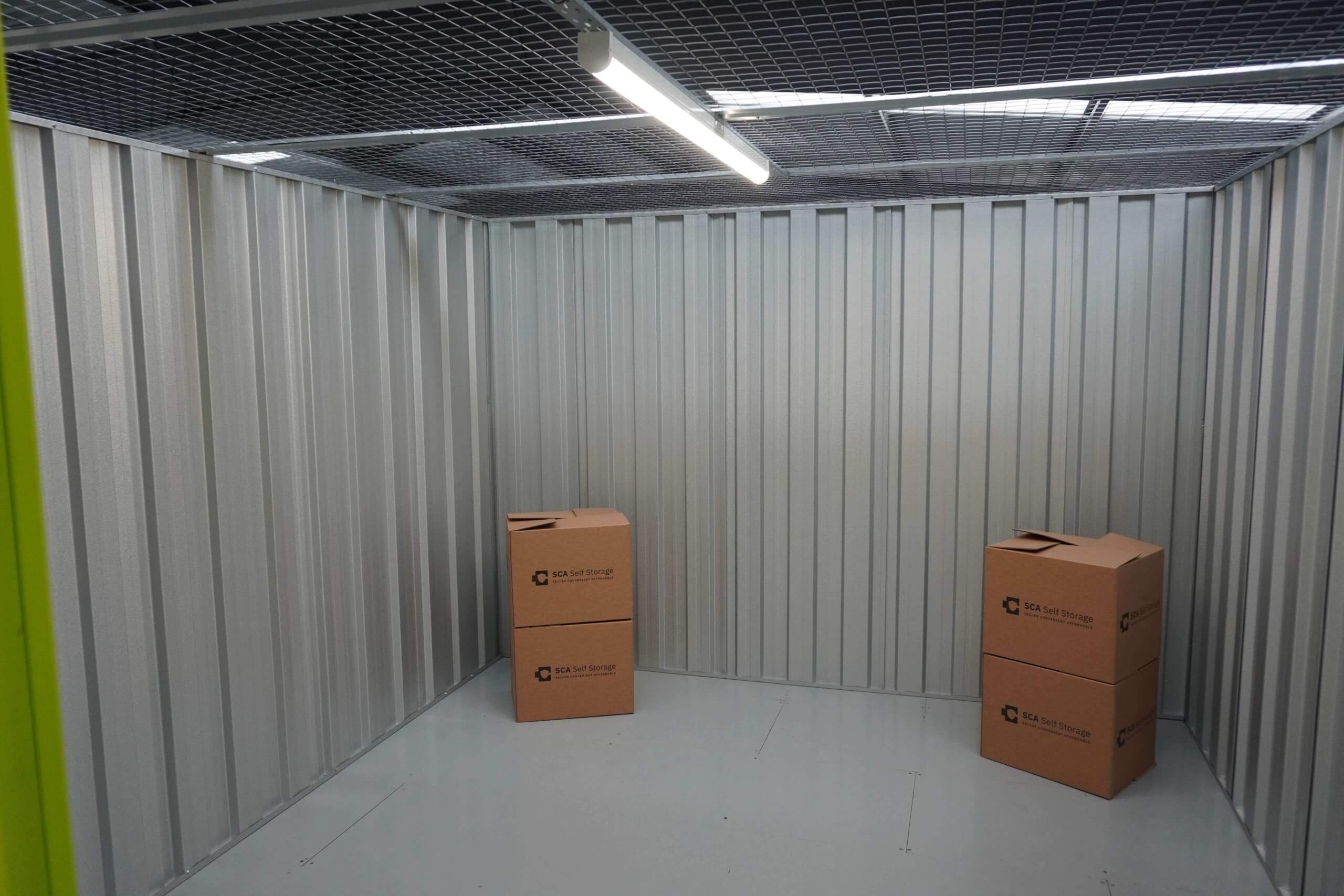
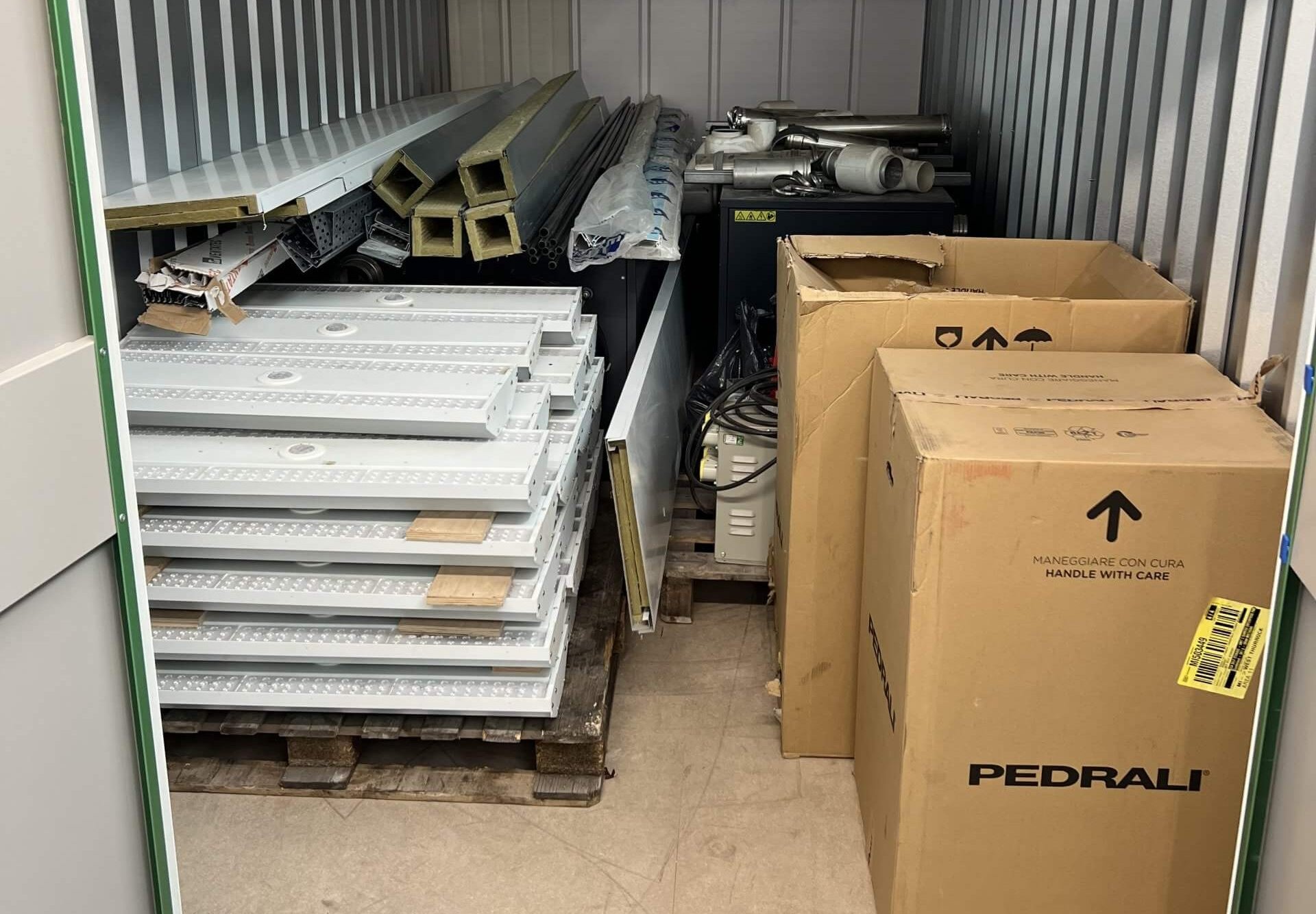
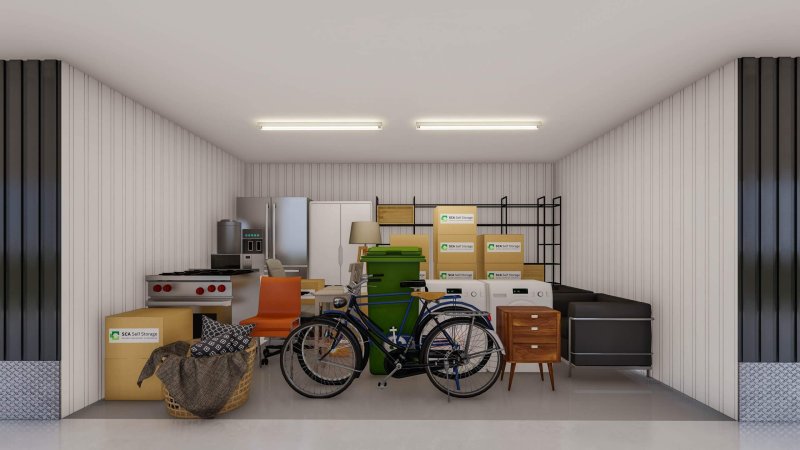
Choose a unit that fits your belongings when packed well, with only as much extra room as you need for access. As a guide, allow around 50 sq. ft for a small flat, 100 sq. ft for a three-bedroom house, and more for larger homes or business stock. Paying for unused space is the most common and avoidable cost in self storage.
Use a size estimator or speak to the team before booking. SCA offers units from 15 to 500 sq. ft and a size estimator to help you match your inventory to a unit, and flexible contracts let you change size if you misjudge it.
2. What is the full price?
Ask for the all-in cost, not just the headline rate. Check whether the price includes or excludes a deposit, a padlock, insurance, and any introductory discount that ends after a set period. A low advertised rate can rise once those extras are added, so compare the total you will actually pay each month.
Headline rate – and how long any introductory offer lasts.
Padlock – bring your own or buy on site (SCA offers high-security padlocks).
Insurance – required by most providers; SCA provides specialist cover.
Deposit or admin fees, if any.
How and how often you pay – SCA bills every 4 weeks in advance by card.
3. What are the contract terms?
Check the minimum rental period and the notice you must give to leave. Flexible, rolling contracts suit most people. SCA’s minimum rental is 28 days with a 14-day notice period, and any overpayment is refunded if you vacate mid-period – so you are not locked in long term or paying for time you do not use.
If a provider asks for a long fixed term for a standard storage room, ask why. Genuine flexibility – change size, extend or leave at short notice – is one of the main advantages of self storage over a commercial lease.
4. What are the access hours and how do you reach the unit?
Confirm when you can access your belongings and how easy it is to load and unload. 24/7 access matters if your schedule is unpredictable or you are moving house. Also check for drive-up access, lifts for upper floors, and free moving equipment such as trolleys, which all make using the unit far easier.
SCA provides 24/7 access at all its sites, with easy drive-up access at many, lifts that carry both passengers and goods at staffed sites, and free use of moving equipment. Reception hours for new sign-ups and viewings are separate from your 24/7 access as an existing customer.
5. How secure is the site?
Check for monitored CCTV, intruder and motion alarms, perimeter fencing, gated or automated access, number plate recognition cameras and on-site staff during business hours. Layered security is what keeps a facility safe, and individual lock boxes protect your own padlock from tampering.
Reviews are a useful cross-check: SCA is rated 5 out of 5 by 98% of its customers on Trustpilot. If you can, visit the site or ask for photos before committing.
6. Are the units clean, dry and suitable for your items?
Damp is a bigger threat to most belongings than theft. Check that units are clean, dry and ventilated, especially for furniture, electronics, documents or fabric. SCA’s units are wind and watertight with ventilation, and the company has provided dry storage for over 25 years. If you are storing a vehicle, caravan or business stock, confirm the site offers the right type of storage for it.
What do you need to bring to rent a unit?
Valid photo ID, such as a driving licence or passport.
A debit or credit card for payment (SCA bills every 4 weeks in advance).
A padlock, or buy one on site.
Proof of insurance if using your own policy, or take the facility’s cover.
Quick pre-booking checklist
Confirm the unit size against your inventory or a size estimator.
Get the all-in monthly price, including padlock and insurance.
Check the minimum period and notice to leave.
Confirm access hours, drive-up access and moving equipment.
Review the site’s security and read genuine customer reviews.
Check the units are clean, dry and right for your items.
What should I check before renting a storage unit?
Check the main practical details before you commit:
Site security
Access hours
Unit size
Insurance requirements
What you can and cannot store
Notice periods
How close the facility is to your home or business
This helps you avoid choosing a unit that is too small, too far away or unsuitable for your items.
How important is site security?
Very important. Your belongings should be protected by more than just a locked unit door.
Look for CCTV, alarms, secure fencing, controlled access and a well-maintained site. These features help reduce risk and give you more confidence when storing valuable items.
Should I visit the storage facility first?
Yes, where possible.
A visit lets you check the site condition, access routes, loading areas and general security. It also helps you confirm whether the unit size is right before moving everything in.
What access do I need to check?
Check when and how you can access your unit.
If you may need items outside normal working hours, make sure the access arrangements suit you. This matters for business stock, tools, house moves and anything you may need at short notice.
How do I know what unit size to choose?
List the main items you plan to store, then speak to the storage team for guidance.
Large furniture, appliances and business stock need more space than boxes alone. If you need regular access, allow extra room so you can reach items without unpacking the whole unit.
Do I need insurance for my storage unit?
Yes. Your belongings need suitable insurance while they are in storage.
You may be able to use your own policy if it specifically covers goods kept in self storage. If not, ask the facility about specialist self-storage insurance.
What items should I check before storing?
Check anything that could cause damage, leak, smell or create a safety issue.
Do not store food, fuel, gas bottles, chemicals, paint, plants, animals, illegal goods or anything wet. If you are unsure about a specific item, ask before bringing it to site.
Should I check the terms before renting?
Yes. Make sure you understand the key terms before signing.
Check access rules, notice periods, insurance requirements, prohibited items and what happens if your storage needs change.
How close should my storage unit be?
Choose a location that fits how often you need access.
If you only need storage during a move, distance may matter less. If you need regular access for stock, tools or documents, a nearby facility will usually be more practical.
Can I change my unit if my needs change?
Yes, subject to availability.
If you need more or less space later, speak to the team. Storage needs often change during house moves, renovations, business growth or seasonal stock changes.
Make your move easier
To get started, visit our locations page and choose the SCA Self Storage site that works best for you. From there, you can view the available location options and make an enquiry with the team directly.